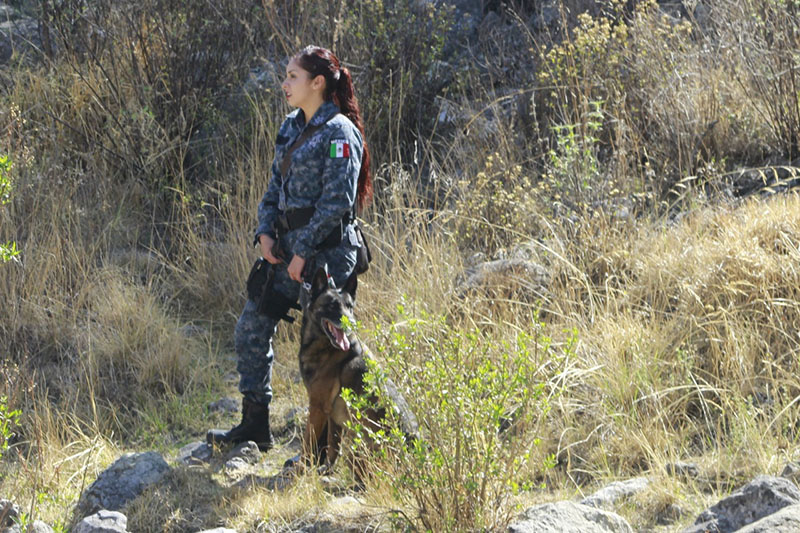
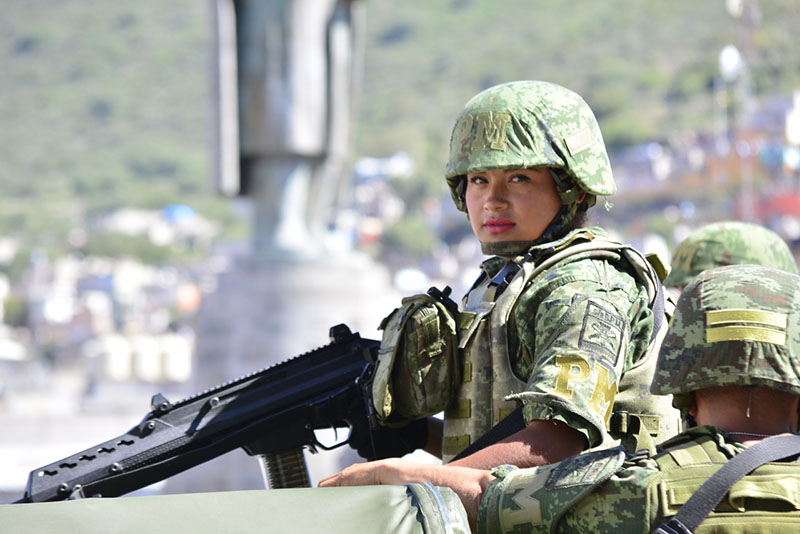
Policewomen face gender stereotypes and barriers to professional development
Communications Department, 02/April/2025
UAEH Newsletter No.154
*In 1930, the Women's Police of Mexico City was created, composed of 69 women whose functions were centered on administrative, secretarial or preventive and social work.
*From 2015 to 2019, the Mexico City Human Rights Commission (CDHCM) registered 720 complaints for facts related to gender violence, discrimination and harassment at work.
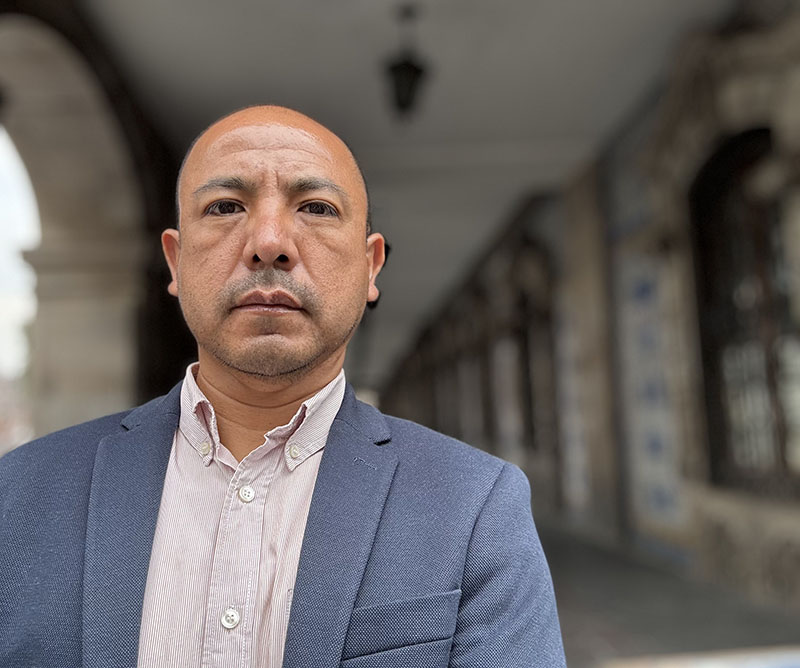
Pachuca de Soto, Hidalgo. - Gender stereotypes, the double working day, the glass ceiling and the lack of inclusion are some of the factors that affect female police officers within security organizations, according to Antonio de Jesús Jerónimo Gutiérrez, a graduate of the Master's Degree in Government and Local Management of the Autonomous University of the State of Hidalgo (UAEH).
After conducting comparative research in countries such as Australia, South Africa, the United States, Spain, Argentina, Colombia, Afghanistan and Sierra Leone, Jerónimo Gutiérrez found that security institutions have been designed from an androcentric vision, in which women are underrepresented, limited to the role of caregivers within their work centers and with few opportunities for professional development. She also pointed out that in many cases they must adopt a masculinized identity in order to integrate.
"The policewoman has to give up things as simple as being able to smile or dress a certain way because it is believed that this takes away her authority. She has to assume masculine traits, such as a strong voice and distance herself from her own female colleagues. It would seem that being feminine is not compatible with being a policewoman," said Garza, who is conducting research on the subject.
On the other hand, gender stereotypes persist within security organizations, associating women with emotionality, sensitivity and passivity, considering them incapable of leadership. They are perceived as caretakers and more concerned about their physical appearance than their professional development.
Antonio de Jesús Jerónimo explained that these negative ideas of gender cause women police officers to be assigned administrative and secretarial tasks, which are considered "second-rate" within the security field. In contrast, operational work, which brings prestige, recognition and opportunities for promotion within the organizational structure, continues to be dominated by men.
"When a woman occupies a leadership position in the police, her ability is questioned simply because she is a woman. Her effort is not valued; it is assumed that she reached that position for reasons unrelated to her professional preparation. Her own colleagues do not legitimize her authority and, consequently, the institution itself limits her growth," she emphasized.
To conclude, the UAEH graduate argued that a greater substantive participation of women in the security forces allows increasing police efficiency, raising the legitimacy of the corporations and improving attention to gender crimes, such as femicide, domestic violence and community conflicts. She also pointed out that the presence of women in these institutions contributes to reducing the use of force and police violence.
However, she stressed the need to identify the barriers that prevent women police officers from participating in leadership and operational roles, as well as to transform the police culture to eliminate glass ceilings and create supportive and inclusive spaces within the security forces.
It should be noted that this research arose from the thesis that Antonio de Jesús Jerónimo Gutiérrez presented at the end of his Master's Degree in Government and Local Management, from which he graduated with honors.


Share in: